
How To Teach Quran To Kids: A Parent's Complete Guide (2026)
Teaching the Quran to children is one of the greatest gifts a parent can give. It is more than learning to read Arabic letters. It is about building a lifelong connection with the Book of Allah. Many parents wonder when to start, which teaching method works best, and how to keep children motivated without making Quran lessons feel like a burden.
In this guide we explain the best ways to teach Quran to kids, the common mistakes to avoid, and how personalised online Quran classes help children learn confidently from home.
Why Is It Important To Teach Quran At A Young Age?
Children learn faster than adults. During their early years they develop language skills, memorisation ability and lifelong habits far more easily than they will later in life. Sounds that an adult struggles to pronounce are absorbed by a young child within weeks.
The earlier a child starts, the easier the whole journey becomes, because the Quran becomes part of the household routine rather than a subject added on top of it.
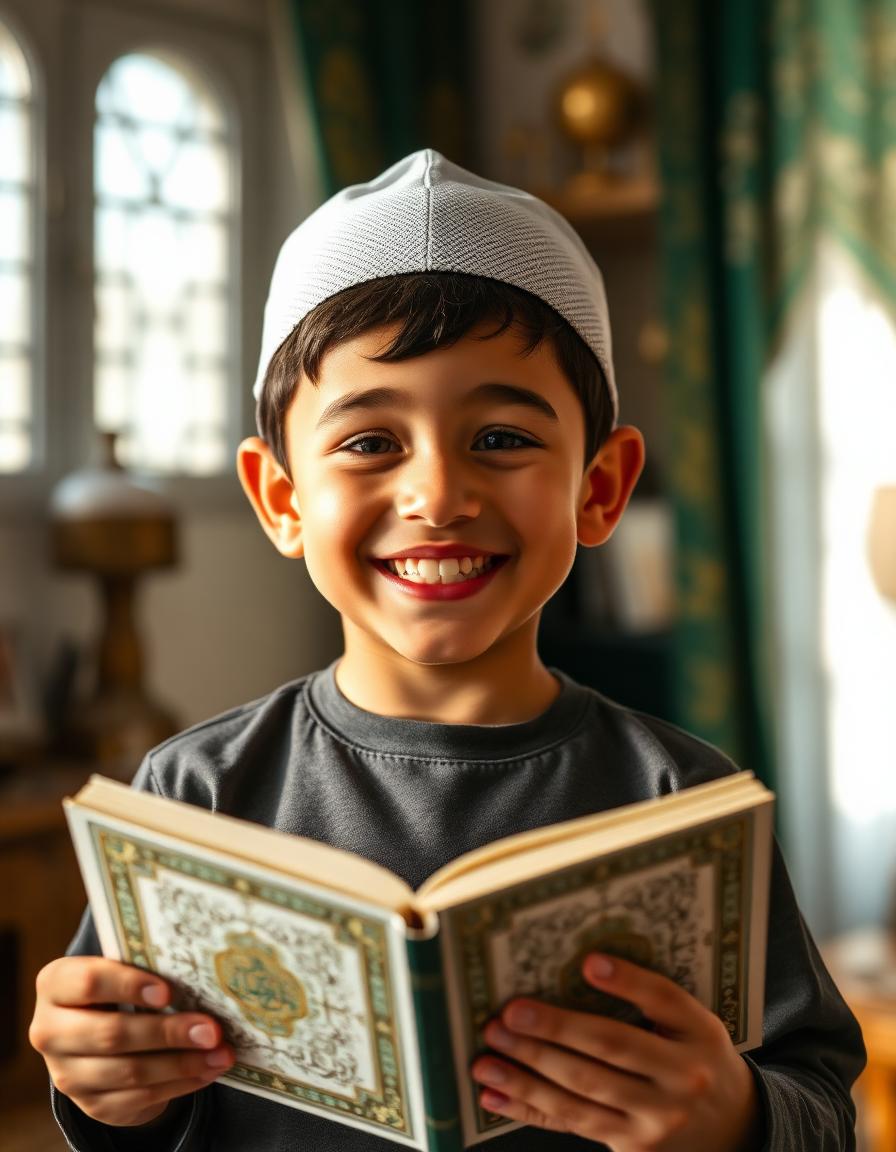
- Builds a strong relationship with Allah from the beginning
- Memorisation happens naturally rather than by force
- Arabic pronunciation becomes accurate and effortless
- Islamic manners are learned alongside recitation
- Children grow to love Salah and Islamic learning
- Confidence grows with every surah completed
What Is The Best Age To Start Quran Lessons?
There is no single perfect age. What matters is matching the activity to the child's stage of development, so that every lesson ends in success rather than frustration.
Ages 3 to 5
At this stage the goal is exposure and enjoyment, not formal study.
- Listening to Quran recitation daily
- Learning short duas by heart
- Recognising Arabic letters
- Simple Islamic stories
- Fun games and gentle repetition
Ages 5 to 7
Most children are now ready for structured lessons with a teacher.
- Noorani Qaida from the beginning
- Correct Arabic letter pronunciation
- Basic Tajweed rules
- Memorising short surahs
Ages 7 And Above
At this age children can move into full Quran reading and memorisation.
- Reading the Quran fluently
- Applied Tajweed rules
- Structured Hifz with revision
- Understanding basic meanings
Step 1: Start With Noorani Qaida
Before reading the Quran, children need to learn how Arabic letters sound and how they connect. A structured Noorani Qaida course is the foundation that makes everything afterwards straightforward.
Skipping this stage is the single most common cause of reading difficulties later. A child who guesses at words will keep guessing for years, and unlearning that habit takes far longer than learning it correctly the first time.
- The Arabic alphabet and letter shapes
- Harakat and short vowel sounds
- Joining letters into words
- Makharij, the articulation points of each letter
- Reading full words and short verses correctly
Step 2: Keep Lessons Short
One of the biggest mistakes parents make is expecting a young child to study for an hour every day. Young children learn better in short, focused sessions, and they finish those sessions wanting more rather than feeling relieved.
Consistency matters far more than length. Four short lessons a week will always beat one long lesson on a Sunday.
- Ages 4 to 6: twenty to thirty minutes
- Ages 7 to 10: thirty to forty five minutes
- Ages 10 and above: forty five to sixty minutes
Step 3: Choose Qualified Quran Teachers
Not every Arabic speaker knows how to teach children. Teaching a six year old requires patience, warmth and an understanding of how children respond to correction. A teacher who is excellent with adult Hifz students is not automatically right for a beginner child.
Children learn best when they feel safe. A teacher who corrects gently and praises effort will get more progress out of a child than one who is technically strong but severe.

- Understands child psychology and attention spans
- Speaks kindly and patiently in every lesson
- Corrects mistakes gently rather than harshly
- Encourages instead of criticising
- Teaches Tajweed accurately from the start
- Makes the lesson genuinely enjoyable
Step 4: Make Learning Fun
Children stay engaged when Quran lessons include variety. Learning should never feel like punishment, and a lesson that ends with a smile is a lesson the child will return to willingly.
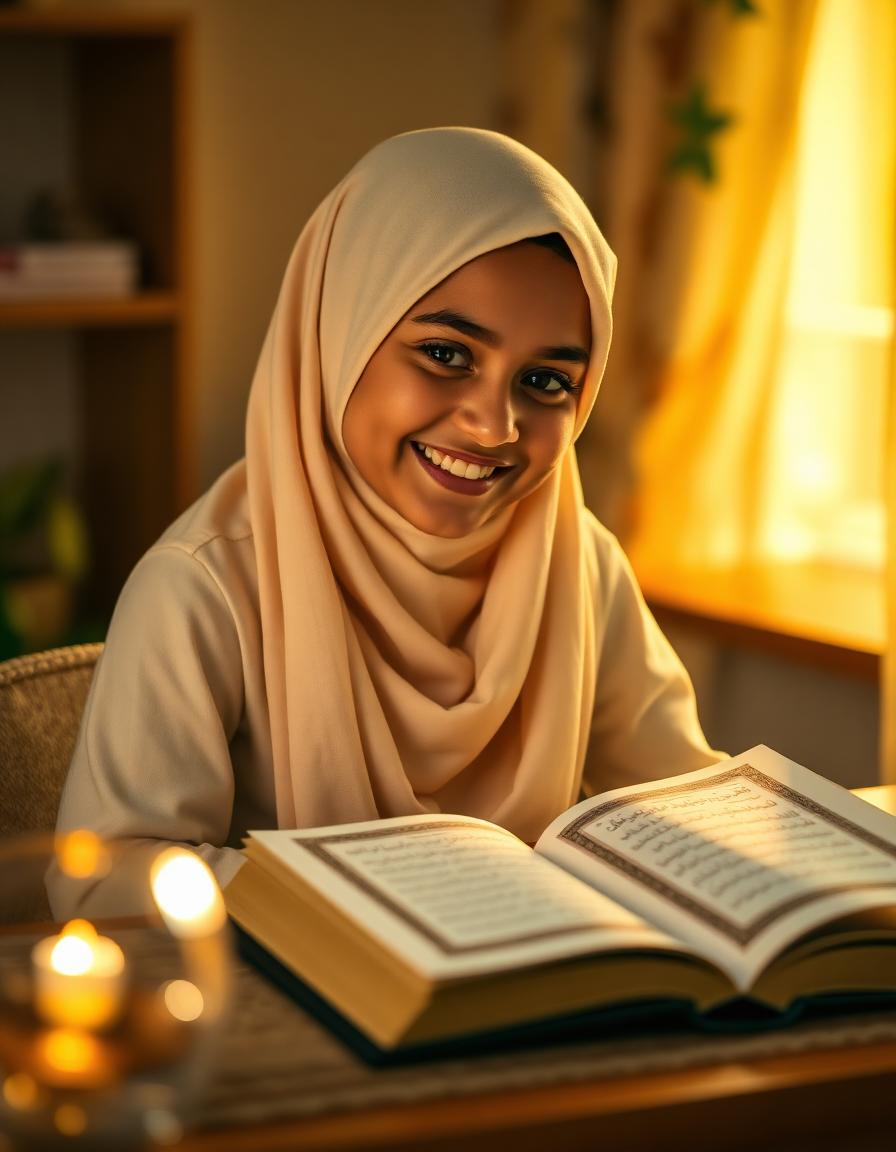
- Interactive activities and screen sharing
- Positive encouragement after every attempt
- Revision games instead of plain repetition
- Small rewards and progress charts
- Stories from the Quran and the Seerah
- Visual learning with colour coded verses
Step 5: Focus On Correct Pronunciation
Reading quickly is far less important than reading correctly. A child who recites one page accurately has achieved more than a child who rushes through five with errors.
Correct pronunciation learned early prevents habits that are very hard to remove later, and it gives the child real confidence when reciting in front of others.
- Makharij, where each letter is produced
- Tajweed rules applied while reading
- Clear articulation of similar letters
- Madd, the correct lengths of stretching
- Stopping and starting rules
Step 6: Encourage Daily Practice
Even ten minutes every day is better than one long session each week. Daily contact with the Quran keeps the previous lesson fresh and turns study into a habit rather than an event.
Parents do not need to be fluent in Arabic to help. Simply sitting nearby and listening changes how seriously a child treats the practice.
- Listen while your child reads aloud
- Review yesterday's lesson before starting anything new
- Play Quran recitation at home in the background
- Celebrate every completed page or surah
Common Mistakes Parents Should Avoid
Many families unintentionally slow their child's progress with well meant decisions. These are the patterns we see most often.
Starting Too Fast
Children should master the basics of Qaida before moving into Quran reading. Rushing this stage creates errors that take years to correct.
Changing Teachers Frequently
A consistent teacher builds trust and knows exactly which letters the child struggles with. Constant changes reset that progress each time.
Comparing Children
Every child learns at a different pace. Comparison with a sibling or cousin removes motivation faster than anything else.
Ignoring Tajweed
Correct recitation should be taught from the very first lesson, not added later once bad habits have settled.
Missing Lessons
Regular attendance is what produces steady improvement. Frequent gaps mean each lesson is spent revising rather than advancing.
Should Children Learn Quran Online?
Yes, when taught properly, online Quran classes can be just as effective as in person lessons, and in one important respect they are better: the child receives the teacher's full attention for the entire lesson rather than a few minutes in a large group.
Many families in the UK, United States, Canada, Australia and across Europe now choose online Quran learning because it fits around school, work and family life without any travel.
- One to one attention throughout the lesson
- Flexible scheduling across time zones
- Learning from the safety of home
- Access to qualified native Arabic teachers
- A personalised lesson plan for each child
- Parents can observe progress directly
How Parents Can Support Quran Learning
Parents play a huge role in their child's success. Children are far more motivated when they can see that the Quran matters to the adults around them.
- Create a quiet study space free of distractions
- Praise effort rather than perfection
- Read together whenever you can
- Review memorisation at the weekend
- Keep the weekly schedule consistent
Why Personalised Lessons Work Better
Every child learns differently. Some memorise quickly, others need more repetition. Some respond to stories, others prefer structured reading with clear targets.
Personalised Quran classes adapt to the child's learning style, so progress comes through confidence rather than pressure. In a group class the pace is set by the average of the room, and a child who is either ahead or behind that average loses out.
Learn Quran With Qualified Egyptian Teachers
At Dhikr Academy we believe every child deserves a patient, caring teacher who makes Quran learning enjoyable. Our one to one online classes are designed for children of all levels, from complete beginners learning the Arabic alphabet to students working on Tajweed and Hifz.
Our teachers are experienced Egyptian Quran tutors who specialise in teaching children with kindness, encouragement and structured lesson plans. Our goal is not only to teach children how to read the Quran, but to help them develop a lifelong love for it.

- Individual attention in every lesson
- A personalised learning plan
- Qualified male and female teachers
- Flexible scheduling around school
- Interactive online lessons
- Regular progress updates for parents
- A supportive, encouraging environment
What Parents Say After Their Free Trial Class
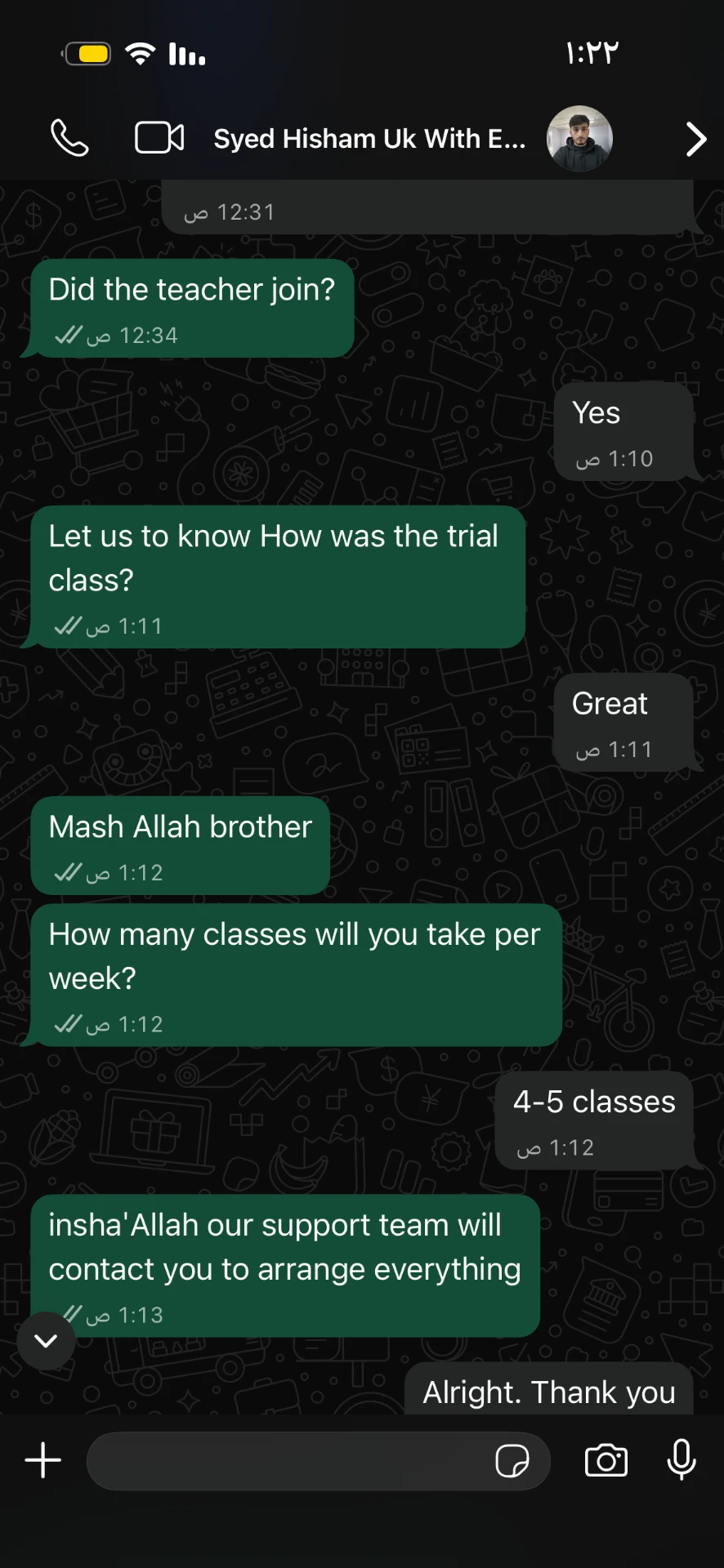
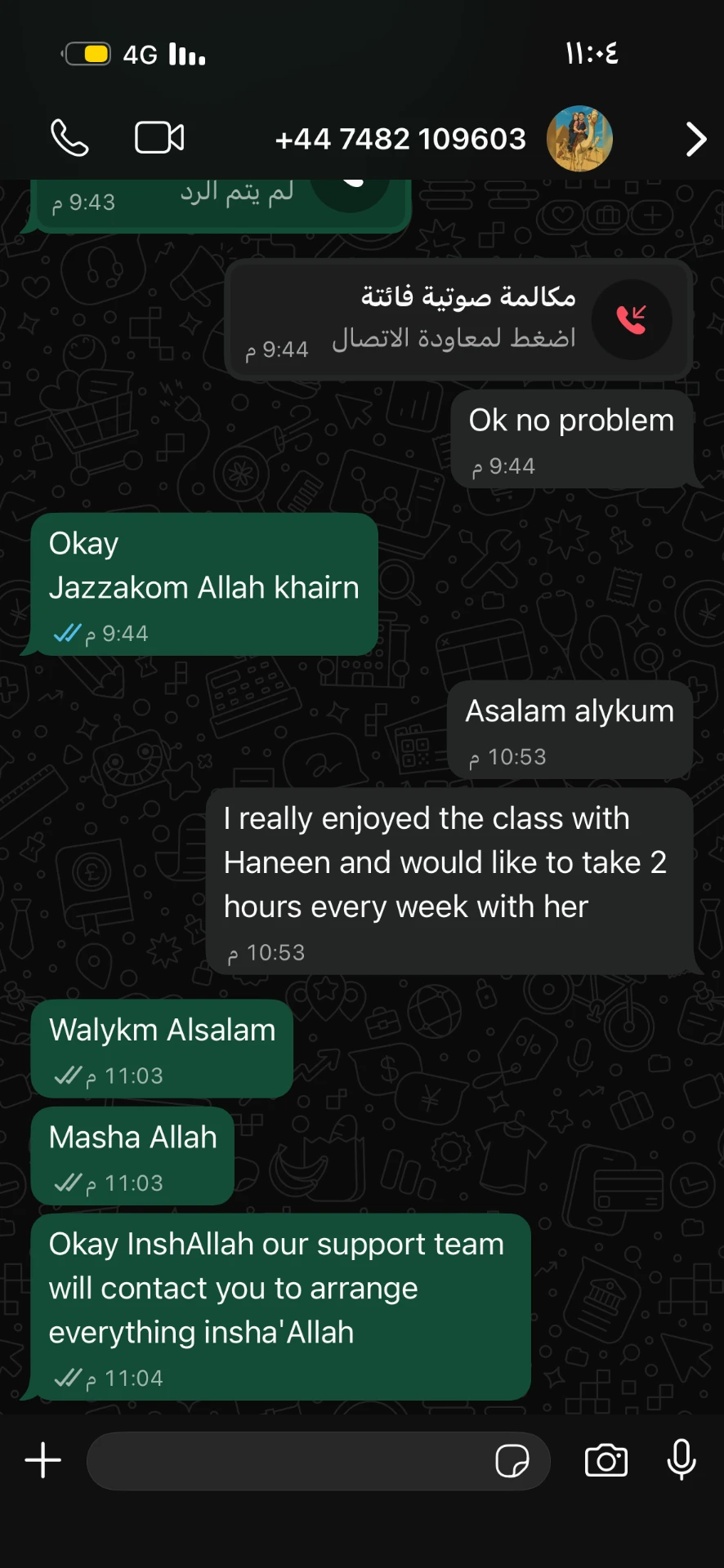
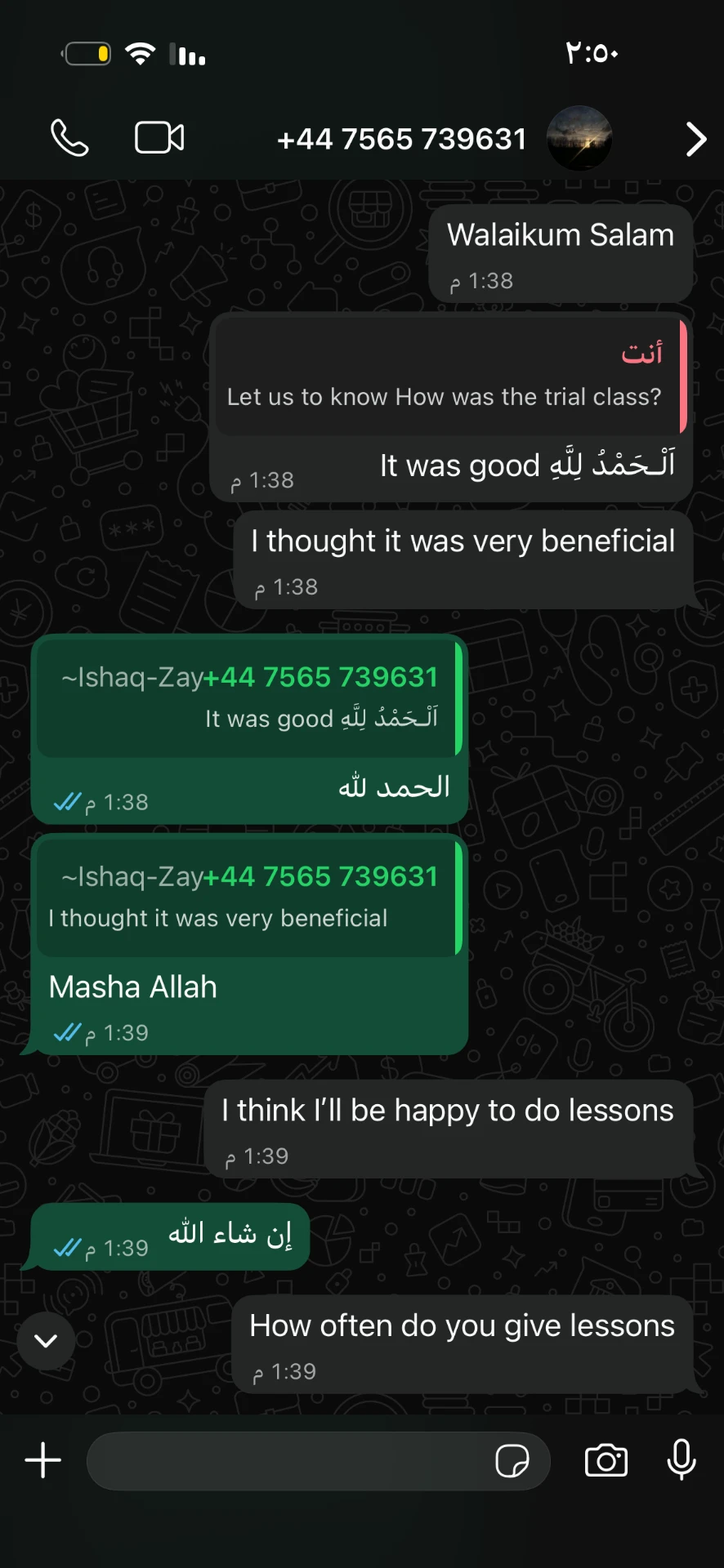
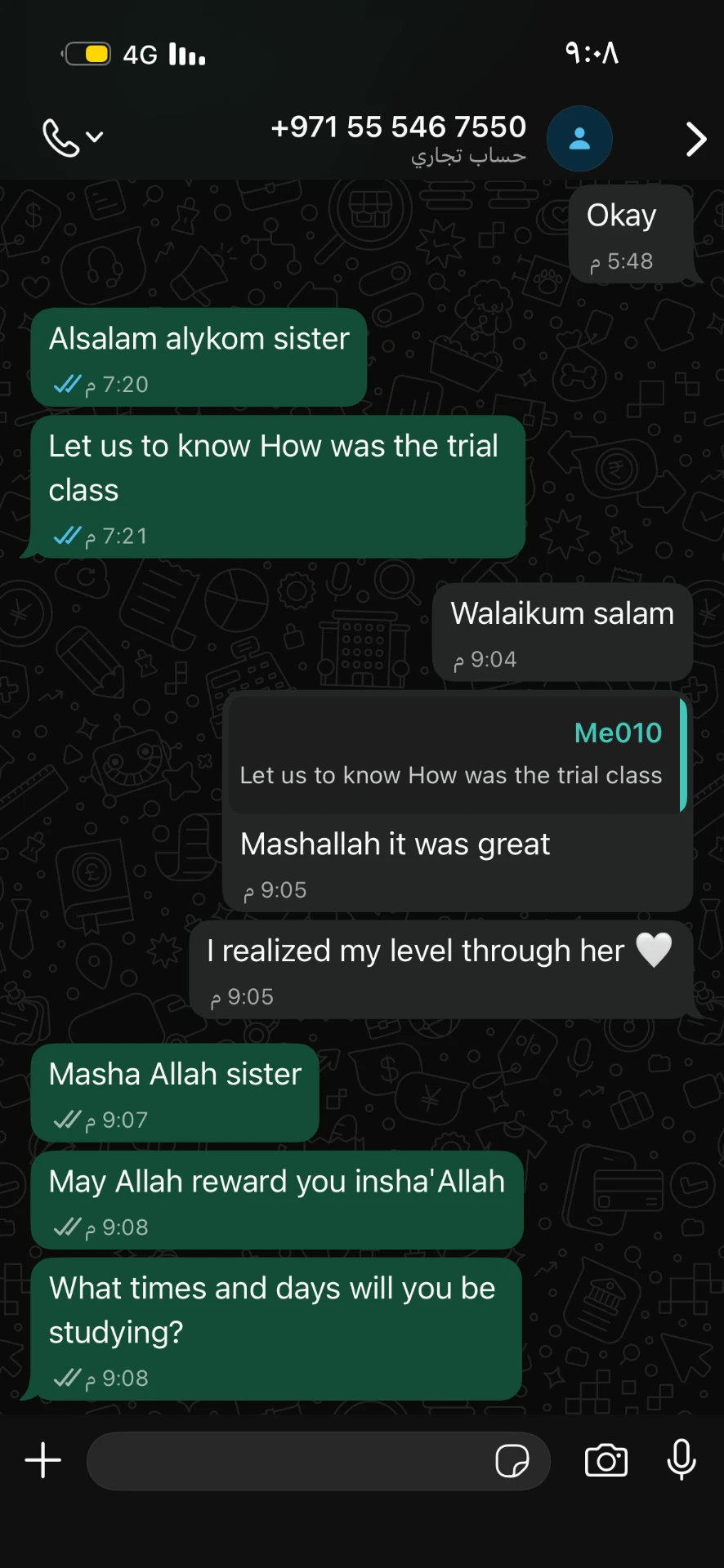
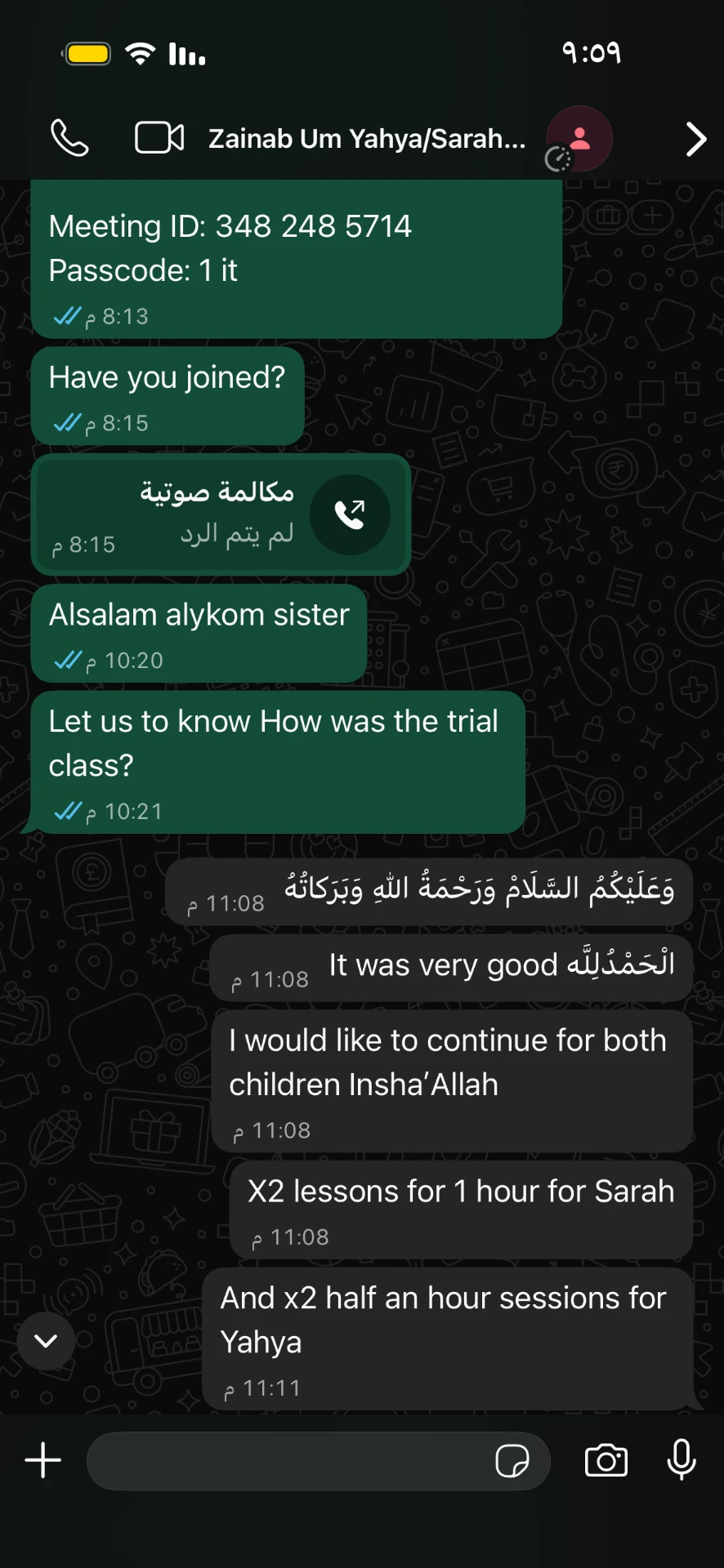
The clearest way to judge an academy is to hear from families who have already sat through a lesson. These are real WhatsApp messages from parents and students after their free trial class with Dhikr Academy, shared with their permission.
The pattern is consistent: parents book one trial, see how their child responds to the teacher, and then ask for regular weekly lessons for the whole family.
Frequently Asked Questions
What is the best age to start teaching Quran to kids?
Children can begin listening to Quran and learning short duas from around age three. Formal lessons with Noorani Qaida usually work well from age five, and most children are ready for fluent reading and memorisation from age seven.
How long should a Quran lesson be for a child?
Twenty to thirty minutes for ages four to six, thirty to forty five minutes for ages seven to ten, and up to an hour for older children. Short, consistent lessons produce better results than long, occasional ones.
Do I need to speak Arabic to help my child learn Quran?
No. A qualified teacher handles the Arabic and Tajweed. Parents help most by keeping a consistent schedule, listening to daily practice and praising effort.
Are online Quran classes effective for children?
Yes. One to one online lessons give a child the teacher's full attention for the whole lesson, which is usually more effective than a large weekend group class.
How much do children's Quran lessons cost at Dhikr Academy?
Lessons are £3.50 for thirty minutes and £7.00 for sixty minutes, with a completely free trial lesson before you enrol.
Final Thoughts
Teaching the Quran to a child is a long journey made of small, consistent steps. Start with a solid Qaida foundation, keep lessons short and enjoyable, insist on correct pronunciation from the beginning, and choose a teacher your child looks forward to seeing each week.
Choosing the right teacher is an important decision, which is why Dhikr Academy offers a free trial class with no obligation. Your child will meet one of our experienced teachers, enjoy a personalised lesson, and you will see our teaching approach before enrolling.
Whether your child is just beginning with Noorani Qaida or already reading the Quran, we will build a learning plan that matches their level and goals. Book your free Quran trial today and help your child begin a rewarding journey with the Quran.